
Imagine scrolling through your favorite news site and clicking on an article about “10 Life-Changing Travel Destinations” that catches your eye.
You read it, enjoy it, maybe even bookmark it for later.
Only after finishing do you notice the small “Sponsored by TravelWise” label at the top.
Surprise!
You just willingly consumed an advertisement—and you probably didn’t mind.
This is the magic of native advertising.
While display advertising scream for attention with flashing banners and pop-ups that chase you around the internet, native advertisements take a different approach.
They don’t interrupt your experience.
Instead, they become part of it.
Advertising is challenging for businesses nowadays since modern consumers have become expert ad-avoiders.
We install ad blockers, unconsciously scroll past banners, and close pop-ups within milliseconds.
It’s like ignoring ads have become second-nature to us.
Researchers have documented this as “banner blindness“, where our brains automatically filter out anything that even remotely looks like advertising.
However, there’s one ad type that is said to bypass these mental defenses, and that’s native ads.
It does so by delivering content that:
- Aligns with our existing interests
- Appears in formats we’re already consuming
- Provides real value through information or entertainment
It’s like getting a product recommendation during a normal conversation with a friend over coffee, instead of sitting through a sales pitch shouted through a megaphone.
But what exactly makes an ad “native”?
How do these subtle marketing messages work, and why are they so effective?
What Is Native Advertising?
You read an article on your favorite news site, watch videos on YouTube, or scroll through Instagram, and there it is: content that looks exactly like everything else you’re seeing, except for a small “Sponsored” or “Ad” label tucked away in a corner.
That’s native advertising in action.
They blend in with their surroundings like a chameleon on a leaf.
More interestingly, these ads don’t disrupt—they contribute.
The concept isn’t actually new.
Back in the 1940s, when print media ruled the world, advertisers were already trying to create ads that matched the look and style of magazines and newspapers.
What’s different today is how sophisticated these ads have become across digital platforms.
The Anatomy of Truly “Native” Ads
What makes an ad truly “native”?
It’s all about seamless integration.
These ads have:
- Visual Harmony – Matches the design language of the hosting platform
- Behavioral Consistency – Works naturally within the platform’s user experience
- Contextual Relevance – Feels like it belongs in that space rather than intruding on it
You’ll find native ads almost everywhere online:
- In social media or video feeds (appearing as regular posts, called in-feed ads)
- Within recommendation or content discovery widgets (“You might also like…”)
- As sponsored articles on news and media sites
Author’s Note: While we have already separated ads in social media platforms as social media ads, they are technically part of the native ads umbrella.
Even paid ads on search results, called search ads, are classified as native advertising in a broader, more technical sense.
But of course, since these have their own sub-classifications now, we’ll remove them from our discussion to avoid confusion.
The Explosive Growth of Native Advertising
The global market for native advertising has reached close to USD $166 billion, and it’s expected to reach $550 billion by 2035, according to Business Research Insights.
That’s not just impressive—it’s a clear signal that this format has become a cornerstone of digital marketing.
Why such massive growth?
Because in a world where consumers have developed impressive skills at ignoring traditional ads, native advertising offers a way to actually be seen, read, and engaged with.
When done well, these ads don’t feel like unwelcome interruptions but rather useful additions to the content people are already consuming.
The key to understanding native advertising is recognizing that it’s not trying to trick users (at least not when done ethically).
Instead, it’s about creating advertising that respects the user’s browsing experience while still delivering a promotional message.
The most effective native ads provide genuine value in the form of information, entertainment, or solutions, while subtly promoting products or services.
Types of Native Ads
Not all native ads are created equal.
Like ice cream, native advertising comes in a variety of types.
Each with its own unique features and best uses.
In this list, we’ll talk about ALL kinds of ad formats that fall under the umbrella of native advertising.
Keep in mind that not all of them can be found in a content discovery traffic source; only a select few (depending on the platform).
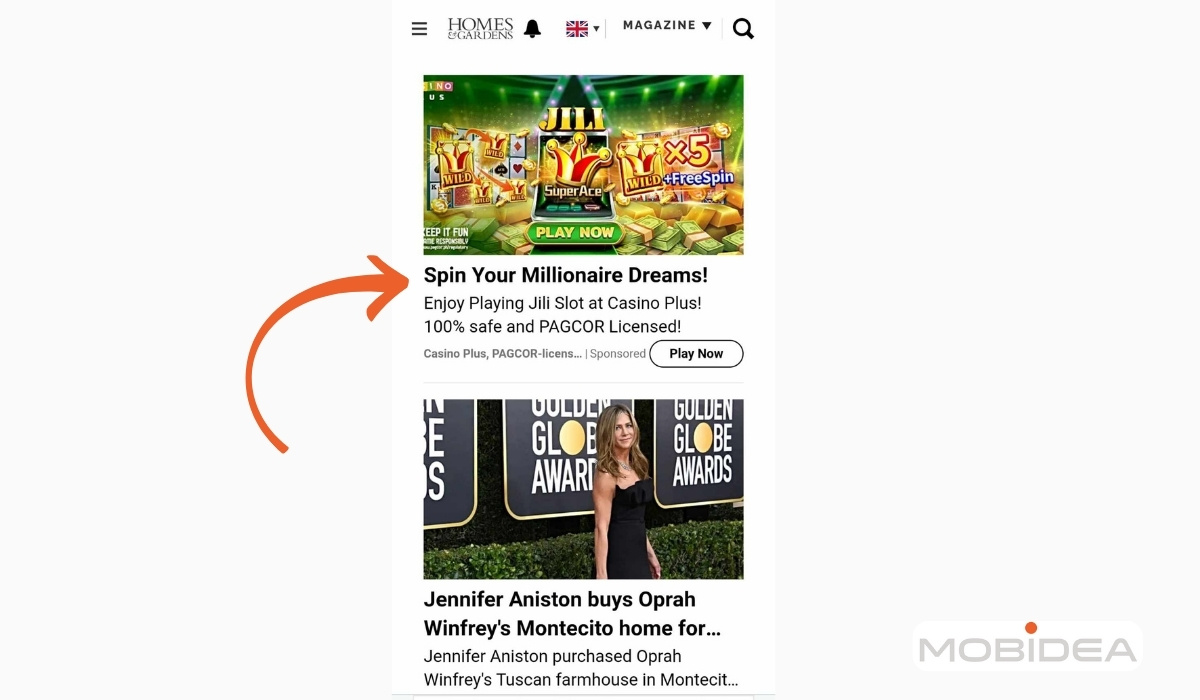
1. Recommendation Widgets
“You might also like…”
“Recommended for you…”
“From around the web…”
These familiar phrases often introduce recommendation widgets.
You can see these grids of content suggestions at the bottom of articles on news sites and blogs.
Companies like Outbrain and Taboola run them.
The widgets mix regular content recommendations with native content, making this format feel like a natural part of the website.
These ads work well because they appear at the perfect moment, like when you’ve finished reading something and are deciding what to read next.
Author’s note: When an advertising network says they offer native ads, they usually mean Recommendation Widgets.
This means you can also find these ads in multi-ad format networks.
2. In-Feed Ads
These are as common as recommendation widgets.
In-feed native ads slip right into your scrolling experience on platforms like Facebook, Instagram, Twitter, and LinkedIn.
They can also appear in a list of posts or articles on a web magazine or a blog.
In-feed ad units look almost identical to regular posts from friends or pages you follow.
The only difference is a small “Sponsored Posts” label showing they’re ads.
What makes them effective?
They don’t force you to leave what you’re doing.
They appear right where your eyes are already focused, matching the format of everything around them.
That Instagram post showing a gorgeous pair of shoes?
The tweet about a fascinating business book?
Both might be paid content, smoothly delivered between updates from your college roommate and your favorite celebrity.
Advertising companies that specialize in native ads, like Taboola, Outbrain, and Revcontent, place these ads across thousands of websites.
This makes them an easy starting point for many advertisers.
 3. Promoted Listings
 3. Promoted Listings
If you’ve ever shopped on Amazon, eBay, or Etsy, you’ve encountered promoted listings.
These paid placements look exactly like organic product listings but typically appear at the top of search results or in prominent positions throughout the marketplace.
They work like grocery stores, placing snacks near the checkout line or at the corner aisles so you see them when you take a pause.
The only difference between these and regular listings are the subtle “Sponsored” label and the fact that the seller paid for the premium position.
When you’re already shopping for kitchen gadgets, seeing a sponsored listing for a highly-rated vegetable spiralizer doesn’t feel like an intrusion, right?
It even feels like a potential solution or something complementary to what you’re shopping for.
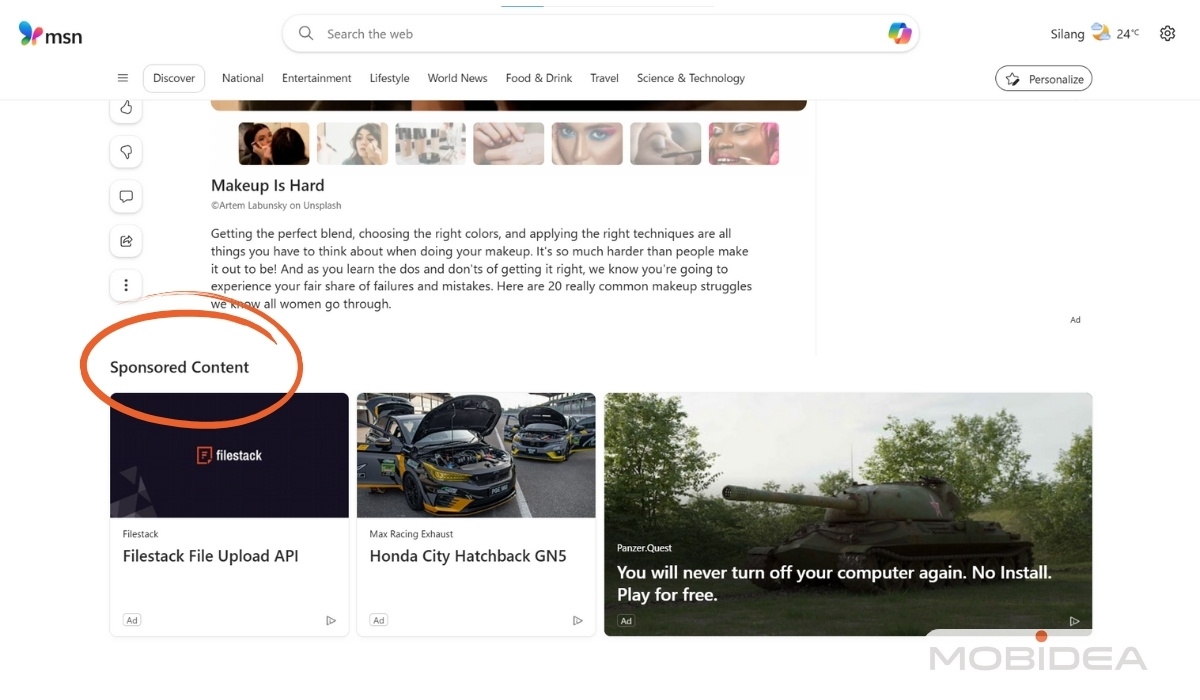
4. Sponsored Content
 4. Sponsored Content
This can be deemed as the most sophisticated form of native advertising.
Sponsored content consists of full articles, video content, or infographics that live on publisher sites but are paid for by brands.
Think of articles like “10 Ways to Improve Your Financial Health” sponsored by a bank, or “The Future of Sustainable Transportation” paid for by an electric vehicle manufacturer, and placed in e-magazine websites such as Forbes or Business Today.
The best sponsored content provides genuine value through information or entertainment while subtly connecting to the sponsor’s products or expertise.
When done right, readers may search for this content because it’s useful for them, regardless of who paid for it.
Examples include BuzzFeed’s sponsored articles, The New York Times’ “Paid Post” pieces, and Forbes’ BrandVoice content.
These pieces often match the editorial quality and style of the publication, creating a seamless reading experience.
5. In-Game Ads
 5. In-Game Ads
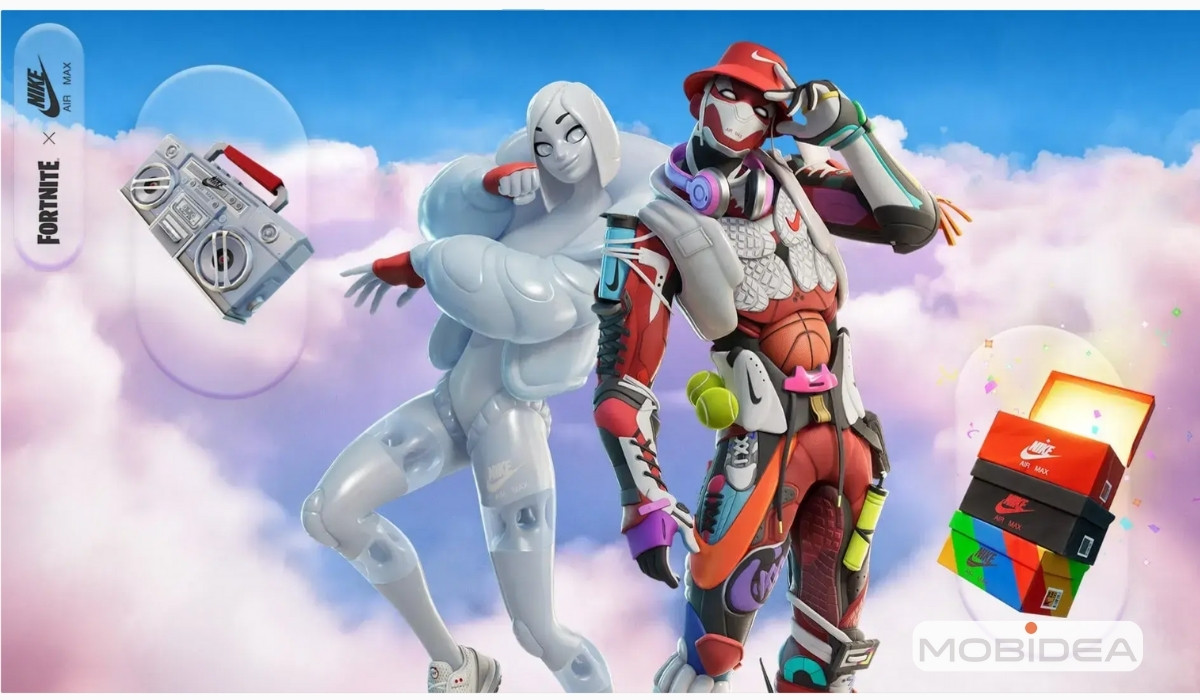
Gaming has grown into a massive advertising platform, with in-game native ads becoming more advanced.
These can appear as billboards within a virtual city, sponsored items that players can use, or reward videos that players can watch in exchange for in-game currency.
What makes these native?
They’re designed to fit naturally within the gaming environment instead of interrupting gameplay.
Being able to use a real sneaker brand in-game feels like it belongs in that world, just like what Nike did with Fortnite.
It adds realism rather than disruption and even increases game engagement for brand enthusiasts.
6. In-Map Content
Navigation and map apps have created their own native ad formats.
Businesses can pay to be highlighted in services like Google Maps or Apple Maps.
They appear as sponsored locations when users search for related categories.
This works well for the advertisers because they show up exactly when users are looking for a place to go for a service or a need—the perfect moment to influence a real-world decision.
7. Native Video Ads
 7. Native Video Ads
Native video advertising combines the power of video with the seamless integration of native formats.
These video content match the look and function of the videos users are already watching on platforms like YouTube, TikTok, or news sites.
From YouTube’s “TrueView” ads that appear in search results to sponsored TikTok videos that blend perfectly with organic posts, these formats engage users through motion and sound while maintaining the native experience.
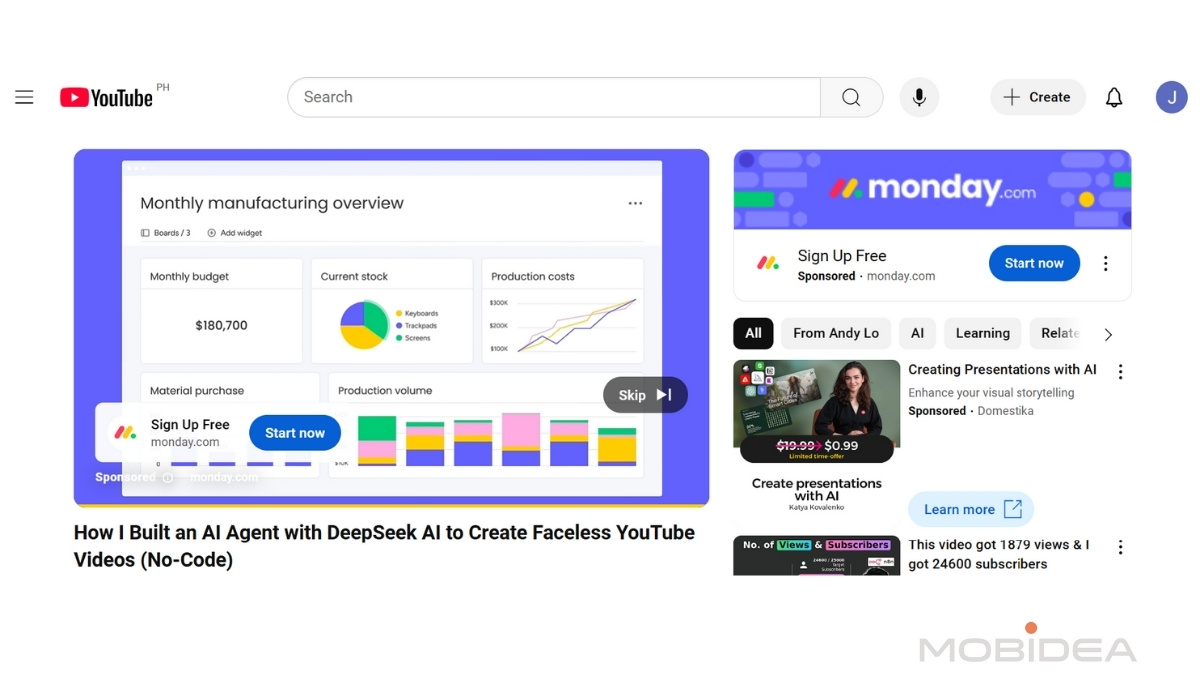
There’s also native in-feed video ads, a subcategory of native video ads.
They appear in the middle of a list of videos, so they essentially act as one of the choices (either in a search result or in a watch-next section).
8. Custom Native Ads
Some platforms offer other native ads that are unique and don’t fit neatly into other categories.
Examples are:
- Snapchat’s sponsored filters
- Spotify’s branded playlists
- Pinterest’s promoted pins
These ads work because they leverage each platform’s unique features and user behaviors, making it feel like part of the user experience.
The common thread among all these formats is their ability to deliver advertising in a way that respects the user’s experience.
This approach doesn’t just make for happier users—it typically delivers better results for advertisers, too.
When advertising feels less like an unwelcome guest and more like a valuable contribution, everybody wins.
How Does Native Advertising Work?
Behind every seamless native ad experience is a complex ecosystem of players, platforms, and processes all working together in milliseconds.
Let’s pull back the curtain and see the wizardry that makes native advertising possible.
The Cast of Characters
Think of native advertising as a play with three main characters:
- Publishers
These are the owners of websites, apps, and platforms where content lives.
They have what advertisers desperately want: audience attention.
From The New York Times to your favorite recipe blog, publishers offer the digital real estate where native ads appear.
Their goal? To monetize their content while preserving user experience.
- Advertisers
Brands and advertisers (like you) looking to reach new audiences and achieve marketing goals.
They bring the budget and the message, seeking the right place and time to connect with potential customers.
Whether it’s a multinational corporation or a local boutique, advertisers are hunting for meaningful engagement in a crowded digital landscape.
- Ad Networks/Platforms
The matchmakers of the digital advertising world.
These technology companies connect publishers with advertisers, handling everything from targeting to bidding to analytics.
The Behind-the-Scenes Action
So how does the magic happen?
Here’s a breakdown of the process that delivers those perfectly placed native ads to your screen:
- Audience Targeting
Before anything else, advertisers need to decide who they want to reach.
Using a combination of data points, users are targeted based on:
- Demographics: Age, gender, income level, education
- Interests: Categories of content the user typically engages with
- Browsing behavior: Sites visited, products viewed, content consumed
- Geographic location: Country, city, or even neighborhood
- Device type: Mobile, desktop, tablet, specific operating systems
- Time of day: When certain audiences are most active
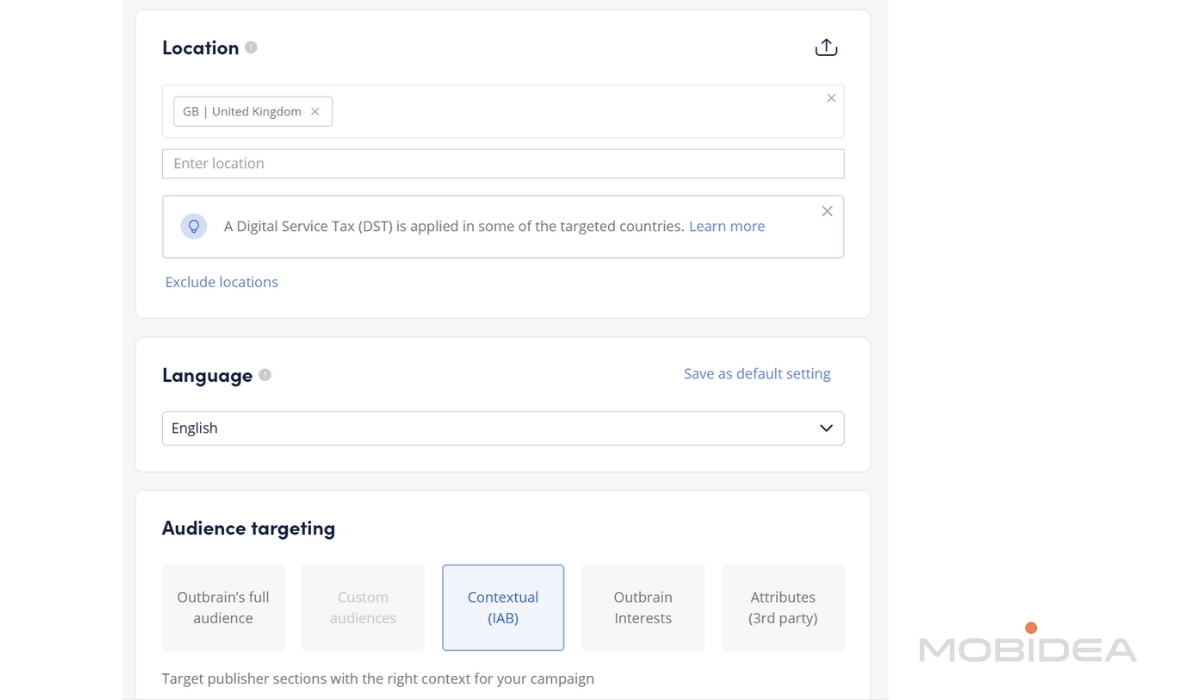
This targeting makes sure you reach your actual audience and not some random dude.
It’s why you might see ads for running shoes after browsing fitness content, or travel deals when you’ve been researching vacation destinations.
However, not all advertising platforms have these targeting settings.
Some have more, others have less.
- The Bidding Process
When creating a native advertising campaign, you are typically asked how much you are willing to pay for your ad to be seen.
The amount you place will then be used for the auction.
When a user visits a website with available ad space, a lightning-fast Real-Time Bidding (RTB) begins:
- The Request: The publisher’s supply-side platform (SSP) identifies an ad opportunity when you load a page
- The Call for Bids: The SSP sends out bid requests to potential advertisers (including you, if you’re advertising)
- The Evaluation: The demand-side platform (DSP) representing advertisers assesses the opportunity based on targeting criteria
- The Bids: Interested advertisers submit their bids (the amount you initially added), essentially saying, “Here’s what I’m willing to pay to show my ad to this specific user”
- The Winner: The highest relevant bid wins the auction
- The Delivery: The winning ad is displayed to the user
All of this happens in less than the blink of an eye, typically under 100 milliseconds.
By the time the webpage finishes loading, the auction is complete, the winner determined, and the perfectly formatted native ad is delivered or shown to the visitor.
The user is none the wiser.
- The User Interaction
Once the ad is served, the real test begins: will the user engage with it?
Native ads can inspire various levels of interaction:
- Viewing: Simply seeing the ad (measured as an impression)
- Clicking: Following the ad to the destination (measured as a click-through)
- Engaging: Interacting with the ad content through likes, comments, or shares
- Converting: Taking a desired action like making a purchase or signing up for a newsletter
Quick note here that some advertising platforms consider an ad “viewed” when the ad loads on the page, even if the user hasn’t really seen it.
Like for instance when it’s at the bottom of the page and the user still hasn’t scrolled down and the ad section has not appeared on his screen yet.
Some networks provide “effective view”, which means the ad has appeared on the user’s screen.
The Data-Driven Approach
At its heart, modern native advertising is data-driven.
Every impression, click, and conversion generates data that will help you with your future decisions:
- Which audiences respond best to which messages?
- What times of day drive the highest engagement?
- Which headlines or images perform best?
- What content formats lead to conversions?
You can track and analyze these interactions using either the advertising network’s analytics or with the help of third-party tracking tools such as:
I recommend you get a tracker, as these provide data that can help you refine your targeting and creative tactics.
Native Advertising Benefits
It’s not just its longevity that make native advertising appealing.
There are several more reasons why native ads can be a good advertising option for all parties involved.
Benefits For Advertisers
- People Actually Pay Attention
Unlike traditional banner ads that we’ve all learned to ignore, native ads catch people’s eyes.
Think about it—when was the last time you intentionally clicked a flashing banner ad?
Native display ads get viewed up to 53% more than traditional display ads.
- Better Engagement and Results
The numbers don’t lie: native ads work better than traditional advertising:
- They get clicked about 8.8 times more often than regular display ads
- They increase the chance of someone wanting to buy by 18%
- People trust them more, especially when they appear on websites they already know and like
- Ad Blockers? No Problem
Many people use ad blockers to avoid annoying pop-ups and banner ads.
But because native display ads are built into the platform’s content, they often slip right past ad blockers.
It’s like having a VIP pass to reach audiences who normally avoid advertisements.
- Building Trust, Not Interrupting
When you see a helpful article about “16 Benefits Seniors Are Entitled To In 2024, But Often Forget To Claim,” you’re getting valuable information while naturally connecting with the brands featured.
It’s like getting advice from a knowledgeable friend rather than being interrupted by a salesperson. This builds trust and positive feelings toward the brand or offer.
And when there’s trust, it’s easier for the user to provide the information the company or brand needs.
If you’re promoting a leadgen offer, you can make a lot of money when you use native ads and a good landing page.

- High Traffic Volume
Native ad networks can put your content in front of millions of readers every day.
Major platforms like Outbrain and Taboola reach over 1.5 billion people monthly.
That’s about half of all internet users worldwide!
And there are several more native advertising networks out there, so if you’re really looking to scale, you will not be disappointed.
Plus, you can tap into premium publisher traffic from respected news sites and popular blogs.
When you combine this massive reach with precise targeting, you get access to a steady stream of potential customer.
- Ability to Choose Publishers or Websites
Don’t want to promote in a specific website because you’ve had bad results with them in the past?
No worries!
Just block them from your campaign and you won’t be wasting ad spend on them.
While not all networks provide the actual website name, many still do.
7. Performs Well for Various Verticals
Native ads convert well for these verticals:
- Home Improvement
- Nutra
- Insurance (Auto, Life, Home, etc.)
- Finance (Loans, Crypto, etc.)
Benefits For Publishers
- Happy Readers = Happy Publishers
Websites and apps that use native ads keep their readers happier because the ads don’t disrupt the reading experience.
When readers aren’t annoyed by aggressive advertising, they stick around longer and come back more often.
- Better Money-Making Opportunities
Native ads often earn more money than traditional banner ads.
Plus, because they work better, advertisers are willing to pay more for them.
It’s a win-win: publishers make more money while keeping their websites looking clean and professional.
- Quality Content Addition
Good native ads can actually add value to a website.
For example, a cooking website featuring sponsored recipes from a food brand can provide more content for their readers while making money.
The key is making sure the sponsored content matches what readers want and expect.
Benefits For Readers/Users
- A Better Online Experience
Instead of having your reading interrupted by pop-ups, native ads fit smoothly into what you’re already doing.
It’s like the difference between someone shouting at you through a megaphone versus having a normal conversation.
- More Relevant Content
Native ads are usually targeted to match your interests.
If you’re reading about home improvement, you might see native ads about tools or home decor—stuff you might actually want to know about.
It’s more helpful and less random than seeing ads for things you don’t care about.
- Higher Quality Information
Because native ads need to match the quality of the platform they’re on, they often contain valuable information.
A sponsored article about portable WiFi after an article on travel, for example, might give you genuinely useful tips while mentioning the sponsor’s services.
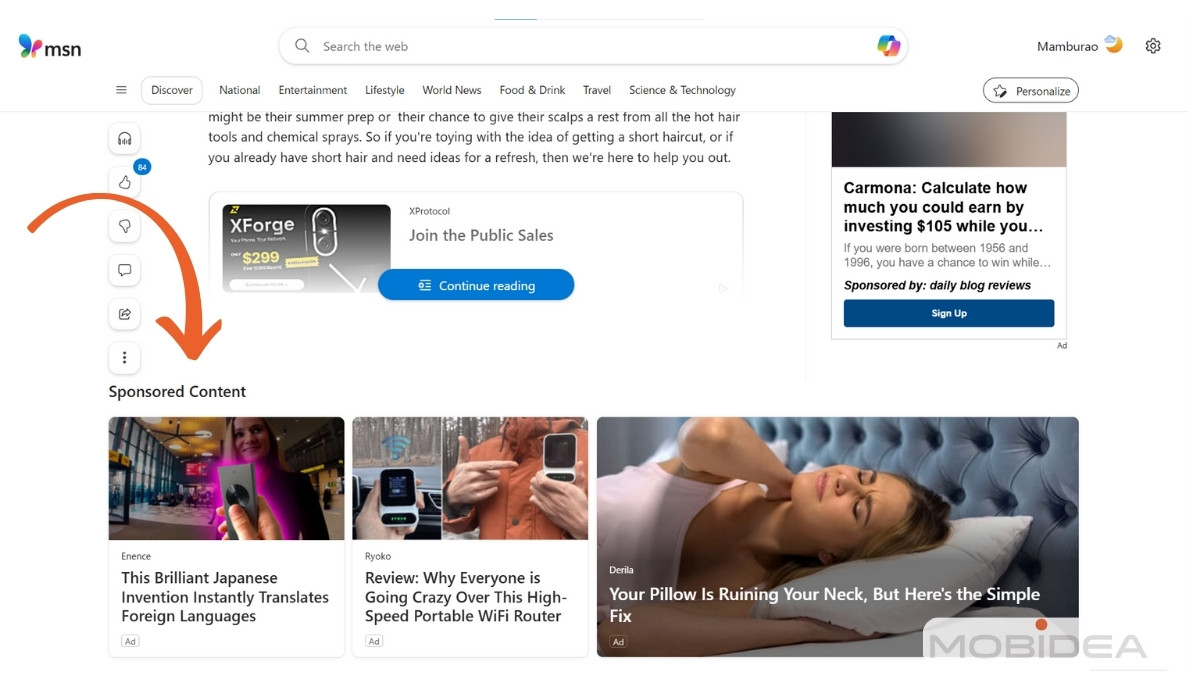
When done right, everyone benefits:
- Advertisers get better results
- Publishers make more money
- Readers get useful content
Think of it as the “golden rule” of modern advertising: treat your audience the way you’d want to be treated.
That’s why native advertising has become such a powerful tool in the digital marketing world.
How to Buy Native Ads Traffic
So you’re convinced that native advertising is worth trying (smart move!), but how do you get started?
In this section, we’ll focus on buying traffic through native advertising/content discovery platforms (networks that help place your content on different websites).
While sponsored social media posts and search ads technically fall under the native advertising umbrella, we’ll leave those for another post.
Let’s break down the process of buying native ads traffic into manageable steps that media buying marketers and performance advertisers can follow.
Step 1: Choose the Right Content Discovery Platform
Your first decision is which native ad network to use for your campaigns. Some popular content discovery platforms include Taboola, Outbrain, MGID, RevContent, and Nativo.
Each has its own publisher network, targeting capabilities, minimum deposit requirements, and ad formats.
For a detailed breakdown of the top native advertising platforms, including pros, cons, and ideal use cases, check out our comprehensive guide to the best native ad networks.
Keep in mind that while we’ll outline a typical campaign setup process below, the exact procedure varies between platforms.
Step 2: Set Up Your Account and Understand the Dashboard
Getting started with a native ad platform is straightforward.
After selecting your platform of choice, the account setup process typically includes creating an account with your business information and contact details.
Next, you’ll need to add a payment method—usually a credit card, though some platforms accept PayPal or wire transfers for larger deposits.
Be aware that many networks have minimum initial deposits (often $100-$500), so be prepared with sufficient funds to begin testing.
Once your account is active, take some time to explore the platform’s dashboard.
Understanding the reporting features, campaign creation tools, and targeting options before launching your first campaign will save you headaches later.
Many platforms offer tutorial videos or knowledge bases that are worth reviewing before you start creating a native ads campaign.
Step 3: Define Your Campaign Goals
As an affiliate marketer or performance advertiser, your primary goal is likely conversions—whether that’s generating leads, driving app installs, or completing sales for the affiliate products your are promoting.
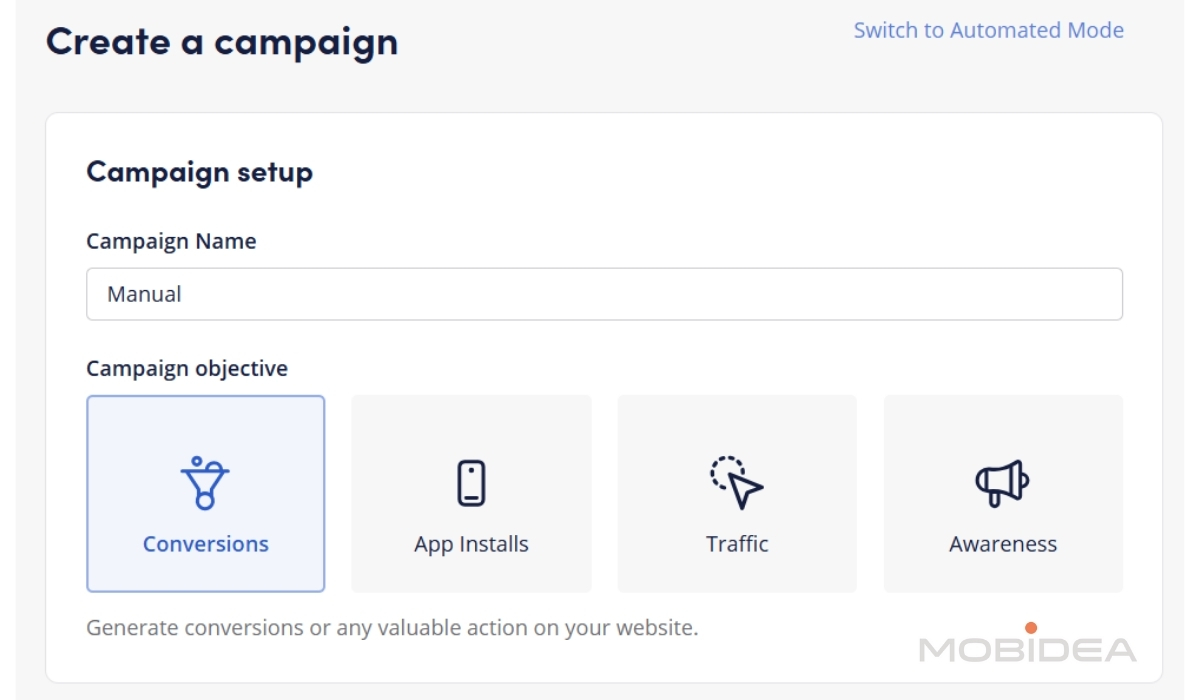
Unlike brand advertisers who might focus on awareness or engagement, as an affiliate marketer, your success depends on driving specific actions that trigger commissions.
This conversion-focused approach will influence how you:
- Select your targeting parameters
- Craft your ad creative
- Choose your bidding strategy
- Optimize your campaigns
Step 4: Understand Your Target Audience
For marketers, understanding your audience is critical to campaign success.
The better you know who you’re targeting, the more effective your ads will be.
Start by analyzing the offer you’re promoting.
Who would benefit most from this product or service?
What problems does it solve?
This will help you create a mental image of your ideal prospect.
Also, check if the brand advertiser or the affiliate network you are working with have audience requirements.
Most native ad platforms offer targeting options including:
- Demographics (age, gender, location)
- Device type (desktop, mobile, tablet)
- Browser type
- Operating system
- Interest categories
- Contextual targeting (showing ads alongside relevant content)
- Retargeting capabilities
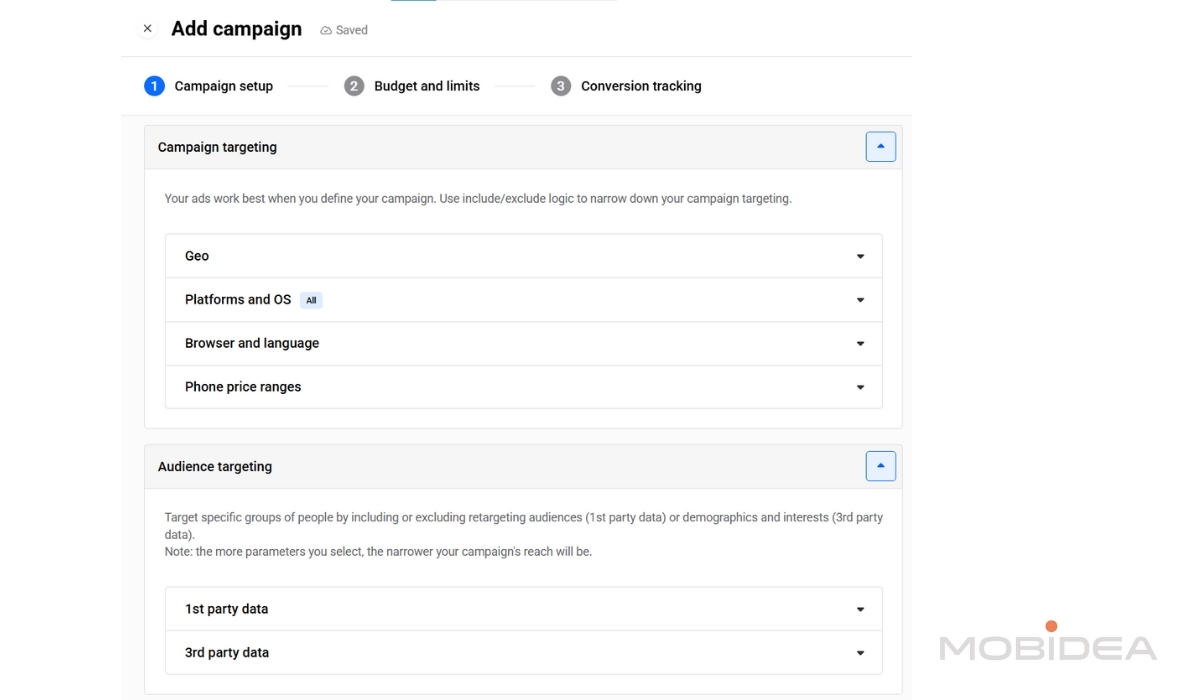
Pro Tip: Don’t get too narrow with your initial targeting.
One of the benefits of native advertising is discovering audience segments you might not have considered.
Start with the country and device type and narrow down as you gather data about who converts best.
Step 5: Create Your Native Ads & Landing Page
When creating a native ad campaign, you’ll need to prepare several key components:
Ad Title/Headline
This is the most critical element of your native ad.
Your headline needs to grab attention and generate curiosity while remaining relevant to the offer.
These tend to perform well:
- Questions
- numbered lists
- “how-to” and “did you know”
Native advertising examples:
- “This Unusual Trick Helps Diabetics Control Blood Sugar”
- “5 Investment Strategies Banks Don’t Want You To Know.”

Image
The visual component of your ad doesn’t always need to be professional quality.
In fact, UGC images often perform better.
That’s user-generated content, which look more authentic or amateurish.
Consider testing various types:
- Professional stock photos
- User-generated style photos that feel authentic
- Images with people (faces often increase CTR)
- Before/after comparisons for relevant products
- Images that evoke emotion or curiosity
Note: We did say that UGC images often perform better, but that also depends on what you’re promoting.
So as always: test, test, test! Ok?
Landing Page
This is where users will go after clicking your ad.
Your landing page must deliver on the promise of your ad while guiding visitors toward conversion.
Whether you’re using a pre-designed page from an affiliate network or creating your own landing page, ensure it’s:
- Mobile-responsive (many native ad clicks come from mobile devices)
- Fast-loading (speed matters for conversion rates)
- Focused on a single conversion goal
- Congruent with your ad creative (similar messaging and visuals)
[native ad sample landing page]
There are also tons of landing page builders with templates like advertorials that are specific for native ads, such as:
Other Elements
Some platforms may also ask for additional elements like:
- A brief description to support your headline
- Your preferred call-to-action button text (Book Now, Get Quote, etc.)
- A branded logo
Step 6: Set Your Budget and Bidding Strategy
Pricing Models
When it comes to pricing models, native advertising platforms typically offer:
- Cost Per Click (CPC): This is the most common model for media buyers.
You pay only when someone clicks your ad, making it easier to calculate your potential return on investment. Most native platforms start with CPC bidding.
- Cost Per Mille (CPM): With this model, you pay per thousand impressions.
This can be more cost-effective once you have high-performing creatives and know your conversion rates, but it’s riskier for beginners.
Your CPC or CPM bid will significantly impact your campaign performance.
Bid too low, and your ads won’t get enough exposure.
Bid too high, and you’ll burn through your budget quickly without meaningful data.
Platforms often provide bid suggestions based on your targeting parameters and competition levels.
I recommend starting with the platform’s recommended bid or slightly lower to ensure you get enough data quickly.
You can always adjust downward once you’ve identified what works, or upward if you’re not getting enough traffic.
If you’re campaign is not receiving any traffic, you’ve bid too low so adjust.
About the budget:
As a performance marketer focused on conversions, we recommend you start with a test budget that you’re willing to spend for data gathering.
Remember that you’re not just spending money—you’re buying information about what works.
For most native platforms, you should plan to spend at least $300-500 for initial testing.
If budget is tight, spend at least 10 times the conversion value.
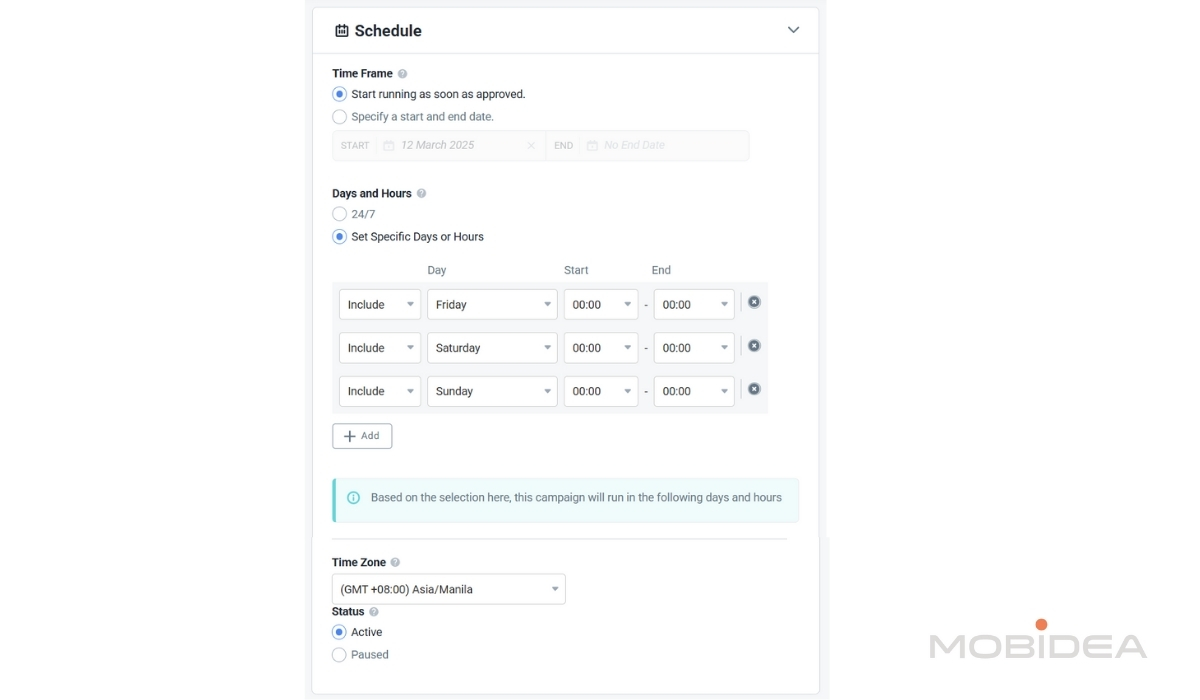
Set daily budget caps to control your spend as you learn, and consider scheduling your campaigns to run during hours when your target audience is most active online.
Almost all native ad networks I’ve tried have scheduling/day parting features, so you won’t have a problem with that.
Step 7: Launch and Monitor Your Campaign
During the first 24-48 hours of your campaign being live, watch your campaign metrics closely.
Look for early warning signs like extremely high or low click-through rates, which might indicate issues with your ad creative or targeting.
Again, use a third-party affiliate tracking platform for accurate tracking.
Having these tools can save you money in the long run.
They provide more detailed analytics than what most native platforms offer, including:
- Post-click behavior analysis
- Conversion attribution
- Traffic source performance comparison
- A/B testing capabilities
- Fraud detection features
Recommended Reading: The Best Affiliate Marketing Tools (Free and Paid)
In your first run, you should gather enough data to make initial optimizations based on:
- Device performance (mobile vs. desktop)
- Geographic locations that convert best
- Time of day and day of week patterns
- Operating systems and browsers
- Publisher sites where your ads appear
Pay special attention to which specific publisher sites are sending quality traffic.
Many native platforms allow you to see which websites your ads appear on, giving you valuable information for optimization.
Step 8: Optimize and Scale
Success in native advertising is just the same as with other ad formats.
Optimize until you reach positive ROI.
Once you have initial data, you can begin optimizing in several ways:
- Blacklisting and Whitelisting
This is perhaps the most powerful optimization technique for native ads.
Blacklisting means blocking your ads from appearing on sites that get clicks but no conversions. Whitelisting means focusing your budget exclusively on sites that are converting well.
Review your publisher data regularly to identify sites to add to either list.
You can also use auto-blacklisting rules, so you won’t have to do it manually.
Another technique is to whitelist, where you start with a broad campaign, identify the top performing sites, then create a new campaign that targets only those sites.
- Multiple Ad Variations
Aside from source/publisher optimization, you should continue testing new creative variations.
There are two parts to mix and match and test: the headline and the image.
Promote the benefits, test emotional creatives, and so on.
- Scaling
When you find winning combinations of targeting, publishers, and creatives, and you’re getting s nice profit, gradually increase your budget to scale up results.
Don’t increase too quickly! A good rule of thumb is to raise budgets by no more than 20-30% at a time, then allow 2-3 days to see how performance adjusts.
Or you can scale by creating additional campaigns with better targeting, higher bids, and budget.
Just make sure you’re not bidding against yourself!
You can also try running the same winning campaigns in different native networks once you’ve found what works.
It’s not a guarantee that it’ll work since each platform has their own set of publishers, but it’s an informed start.
Where to Buy Native Ads: Content Discovery Platforms
Native ads work best when you’re running them through a content discovery platform that actually understands the format.
So you’d need one with proper inventory, solid targeting, and placements that don’t scream “ad.”
Here are some native ad networks worth checking out, whether you’re just starting out or you’ve been running campaigns for years:
Frequently Asked Questions on Native Ads
How does native advertising differ from content marketing?
Native advertising is paid placement on third-party platforms. They copy the site’s look and feel. Content marketing involves creating and distributing content on your own channels.
What is a Native Advertising Platform?
It’s where you buy native ads and get promoted in content recommendation widgets.
Is native advertising ethical?
Yes, when properly labeled as “sponsored” or “promoted.”
How much does native advertising cost?
Native advertising CPM typically ranges from $4 to $20, with CPC ranging from $0.10 to $2.00. Premium publishers and competitive niches like finance command higher rates than general content discovery networks.
How do I get started with native advertising?
Choose a platform like Taboola or Outbrain. Set campaign goals, create compelling headlines and images, define your target audience and run your campaign. Start with a small test budget ($100-500) before scaling.
Can small businesses benefit from native advertising?
Yes. If you have $100 to $500 budget for promoting your business, it can work for you. Just make sure to monitor your campaign.
How do I measure the ROI of native advertising?
Track clicks, conversions, and cost per acquisition using the platform’s analytics or third-party tracking tools. Calculate ROI by comparing campaign costs against revenue generated from leads or sales.
What’s the difference between native ads and display ads?
Display ads are banners or pop-ups that interrupt the user experience. Native ads blend seamlessly into the platform’s surrounding content, appearing as recommended articles or in-feed posts for a less disruptive experience.
Are native ads affected by ad blockers?
Native ads are generally less affected by ad blockers than other display ads because they’re integrated directly into the platform’s content delivery system, especially in-feed ads and sponsored content.
Do native ads work better than traditional ads?
Yes. Native ad units typically achieve 8.8 times higher click-through rates than display ads and create an 18% increase in purchase intent. Users engage more with content that match the platform they’re already using.


This MGID review is definitely gonna allow you to earn real big bucks on this remarkably original native advertising ad network!

AdvertisementChecked all the Mobidea’s tutorials but you’re still feeling lost on our platform? No worries! Daliya is our dope Community…

AdvertisementStill struggling to find the best offers because you know you wanna make money faster like a real master? Lost…